
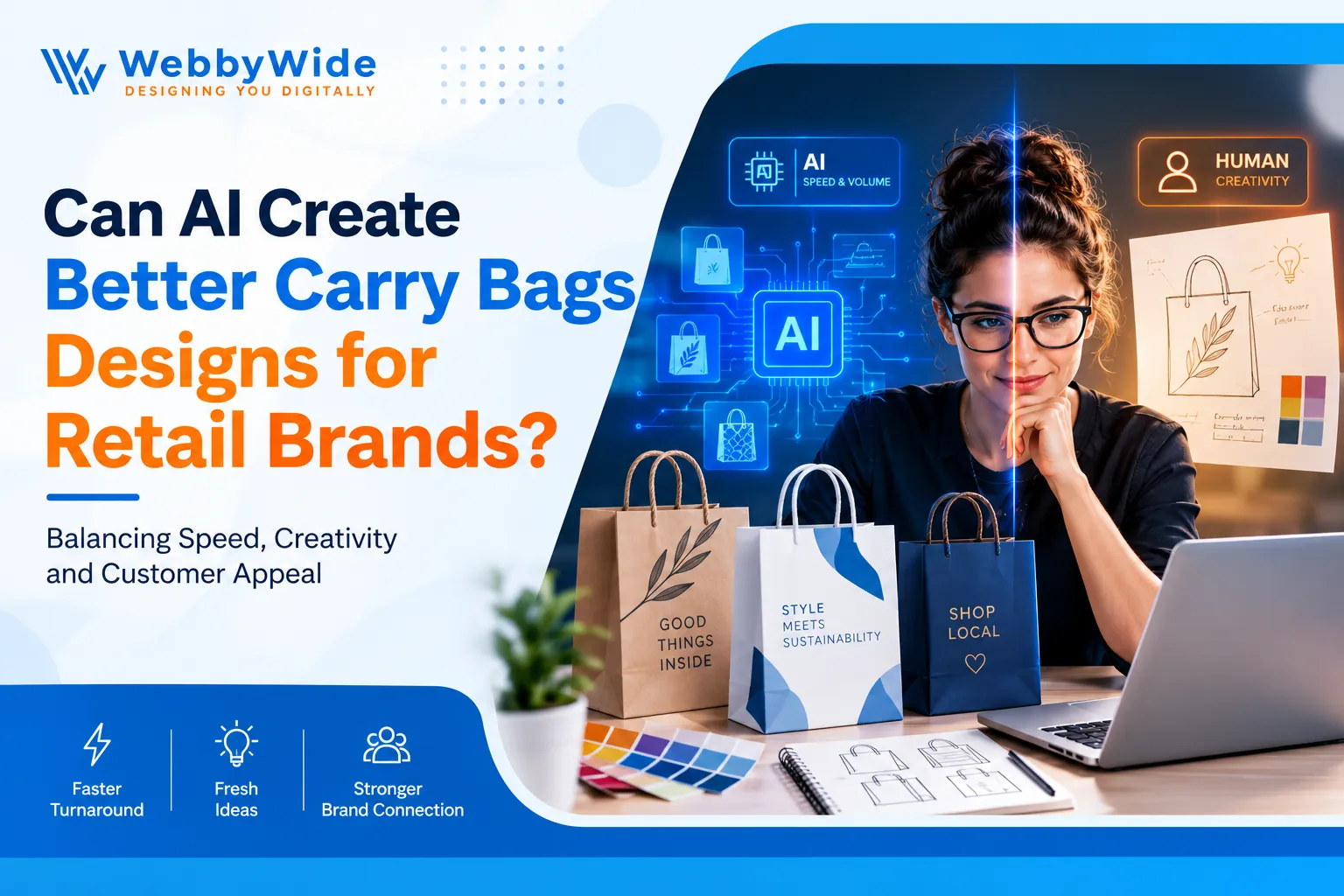
AI-Powered Carry Bag Design: A Smarter Retail Approach
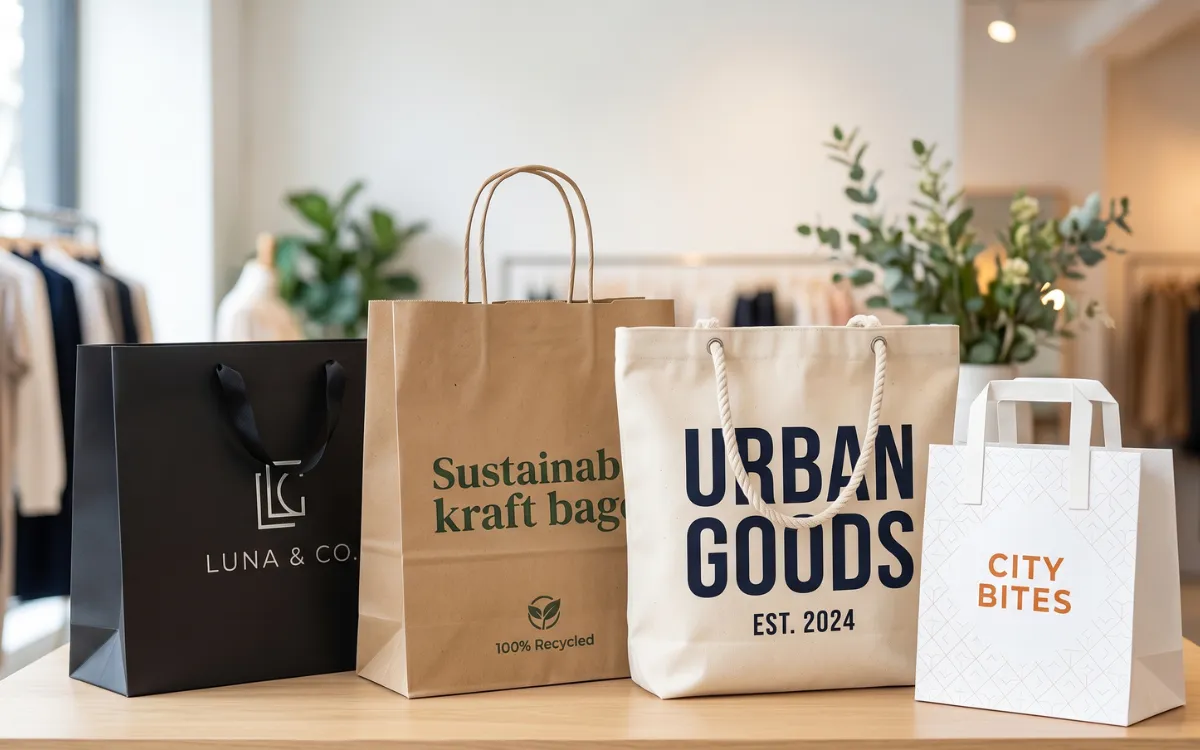
I have a soft spot for packaging. Think of a retail bag like a walking billboard on Fifth Avenue, a mini billboard cruising down a sunny California boardwalk, or a stylish accessory clutched tightly outside a chic boutique in Austin. In the U.s. market, where shoppers care deeply about aesthetics and unboxing moments, your retail bag carries way more than just merchandise—it carries your entire brand reputation.
That is precisely why the conversation around using artificial intelligence for retail packaging keeps heating up. Retailers everywhere want to know if algorithms can truly master innovative Carry Bags Designs without losing the human touch that makes a brand feel authentic.
One approach promises lightning-fast turnaround times and endless automated variations. The other delivers deep cultural resonance, premium storytelling, and artistic depth that connects directly with modern American consumers exploring trends highlighted in industry studies like the U.S. retail packaging overview by the PMMI.
If you are launching a retail line that needs to turn heads from day one, exploring specialized structural direction can give you the kind of bespoke look that generic software tools rarely match. I am not saying technology is useless. I am saying your packaging should do more than just hold items—it should tell an unforgettable story.
What an AI Generator Actually Gives You
AI pattern generators move fast. That is their absolute superpower. You type in a prompt, select a mood, and boom, you get dozens of visual concepts in seconds. For a quick pop-up shop, a temporary holiday market stall, or a fast-moving merchandise drop, that speed feels wonderfully convenient.
These modern tools also work brilliantly when you need to brainstorm color palettes or test geometric patterns without waiting weeks for initial sketches. If you need to move at the speed of internet culture, AI helps you keep pace. It is the espresso shot of the design world.
Yet, speed comes with compromises. Algorithms pull from massive datasets of existing templates, which means your final output can look polished, but it might also feel oddly familiar. In retail branding, looking like everyone else on the block is a fast track to getting ignored.
Where Human Creativity Pulls Ahead
Skilled creators do much more than slap a graphic onto a paper bag. To understand how automated workflows intersect with broader creative projects, I often point people toward insights on how AI is transforming graphic design. They build visual packaging systems around your exact target audience, retail environment, and long-term business goals.
That matters tremendously in today’s retail landscape. A great retail bag has to look stunning under harsh fluorescent store lights, snap well for an Instagram aesthetic, and survive a rainy afternoon walk down a New York city street without tearing.
When I evaluate packaging choices, I always ask a simple question: does this bag feel like a tangible extension of a real business with a distinct point of view? Professional human design answers that question through material knowledge, tactical testing, and a sharp eye for nuance. AI can generate pixels; human creators can interpret culture.
A seasoned designer also catches technical specs that software easily misses. That is one reason I always lean toward expert-led packaging solutions for brands that demand a premium look. Maybe your typography looks fierce on a high-res computer monitor, but it becomes completely illegible when printed on textured recycled cardboard.
Maybe your color choices pop digitally, but turn muddy in mass production. Great packaging specialists protect you from those costly manufacturing surprises.
AI vs Human Creation: Side-by-Side
Here is the clearest way I can break down the differences for your retail brand.
|
Factor |
AI Generation Tools |
Human Packaging Experts |
|
Speed |
Minutes |
Days or weeks |
|
Customization |
Limited by pre-existing data models |
Tailored entirely to your brand DNA |
|
Material Awareness |
Minimal technical constraint checks |
Deep knowledge of stock weights and finishes |
|
Cultural Nuance |
Often misses local subtext or trends |
Intuitive understanding of U.S. consumer tastes |
|
Scalability |
Great for endless rapid concept variants |
Better for unified retail ecosystem rollout |
|
Production Readiness |
Requires manual print-file cleanup |
Delivered ready for manufacturing specs |
That comparison tells a straightforward story. Technology wins on sheer speed and volume. Human creators win on context, emotional resonance, and real-world execution. And execution matters when shoppers judge your quality the second they walk out of your store.
When AI Tools Make Sense for Packaging
I do not believe every single retail project requires an extensive, months-long branding agency sprint. If you are testing a brand-new concept, launching a limited-edition flash sale, or operating on a bootstrap budget, automated generation tools can get your project moving.
AI can also help you in these exact scenarios:
- You need a quick visual mockup for a retail investor pitch deck
- You want to test multiple color schemes before committing to a bulk print run.
- You run a small neighborhood boutique with a tight startup budget.
- You feel comfortable with a clean, minimalist look for a temporary launch.
That said, I always treat these platforms as starter tools rather than final solutions. They work wonders when you need fast momentum, but they rarely capture the soul of a memorable retail brand.
When Professional Expertise Is the Smarter Move
If you are scaling a serious retail brand across multiple U.S. locations or scaling an e-commerce empire, investing in custom packaging makes total sense. I am talking about businesses that prioritize high customer retention, unboxing culture, and a cohesive visual identity across every single customer touchpoint.
Here is where expert-led retail packaging truly shines:
- You want your packaging to feel luxurious and gift-worthy.
- You plan to run seasonal holiday campaigns that require flawless print execution.
- You need structural durability that holds heavy items without ripping.
- You want your branding to integrate smoothly with digital assets, matching your overall look alongside professional logo design.
- You care deeply about sustainable materials and eco-friendly certifications popular with American shoppers.
For U.S. retailers making sustainability claims about their packaging, following the FTC Green Guides for environmental marketing claims can help ensure that statements about recyclable, compostable, and recycled-content materials are clear, accurate, and properly supported.
This is where a broader visual system matters. A shopping bag never lives in a vacuum. It sits alongside your tissue paper, stickers, receipt cards, and digital storefront. Ensuring all these elements speak the same design language makes your business feel established and trustworthy.
Why U.S. Retailers Keep Choosing Custom Over Quick
In major U.S. shopping districts, consumers encounter hundreds of competing brands daily. From boutique paper bags on Michigan Avenue to minimalist totes in Seattle, the visual noise is relentless. Your retail packaging needs to do more than simply contain items; it needs to signal immediate quality and care.
That is the core advantage of expert-led packaging systems. A skilled designer understands how to balance negative space, typography hierarchy, and finish textures like matte lamination, foil stamping, or embossed lettering.
While exploring optimal workflows, many creators also experiment with various AI tools for graphic designers to speed up initial mood-boarding phases before refining the final product by hand.
I have seen store owners save a little cash upfront using purely automated templates, only to spend extra money later fixing brand perception issues. That is the packaging equivalent of buying cheap shoes for a marathon—it looks fine until reality sets in.
What I Would Choose in Real Life
If I were launching a quick weekend pop-up shop tomorrow, I might test an AI generator just to get basic mockups on screen. I would keep my expectations grounded and my timelines tight.
However, if I were building a modern retail brand that needs long-term customer loyalty, retail shelf presence, and premium appeal, I would partner with experienced packaging professionals without hesitation.
That is because a retail bag is not merely disposable trash. It is a mobile billboard and a tactile token of appreciation. A gorgeous bag gets reused for grocery runs, gym trips, and everyday errands, giving your store free organic impressions across town.
Quick Decision Guide
Use this simple rule of thumb for your next project:
- Choose AI generation if you need instant mockups, a low initial budget, and a quick temporary fix.
- Choose professional packaging experts if you want tactile quality, structural durability, and long-term brand equity.
- Choose a hybrid workflow if you want to brainstorm initial concept shapes with technology and polish the final execution with a human designer.
That hybrid path works exceptionally well. It combines the raw speed of algorithms with the refined taste of human artistry. And in the competitive American retail landscape, good taste is ultimately what wins loyal customers.
Conclusion
If you ask me, the ideal choice depends entirely on your current business stage. Automated tools work brilliantly for fast, low-stakes brainstorming. Professional packaging designers work wonders for retail brands that want to look exceptional, build lasting trust, and stand out on busy streets.
I would never treat this as a war between technology and creativity. Instead, I view it as a choice between getting something done quickly and building something that lasts. For ambitious U.S. retailers, the long game always wins.
If you are ready to elevate your retail packaging and create a look that truly turns heads, Get in touch with our design team today and let's craft a style that captures your brand's true potential.
Frequently Asked Questions
Yes, some platforms export vector formats, but they often require significant manual cleanup by a designer to ensure die-lines, bleed areas, and color profiles match commercial printing standards. Generally, purely machine-generated creations lack human authorship, making trademarking or copyrighting them tricky under current U.S. intellectual property guidelines. You are investing in structural engineering, material selection, die-line creation, brand strategy, and print-ready file preparation that guarantees your bags won't fail under heavy loads. Sustainable options like recycled kraft paper, cotton handles, or soy-based inks require specific design adaptations to look premium while meeting eco-friendly standards expected by U.S. shoppers. Absolutely! Using technology to rapidly generate color directions or pattern ideas is a fantastic way to communicate your vision to a professional packaging designer. Can AI Create Better Carry Bags Designs for Retail Brands
Comments
Add Comments
Update Comment