
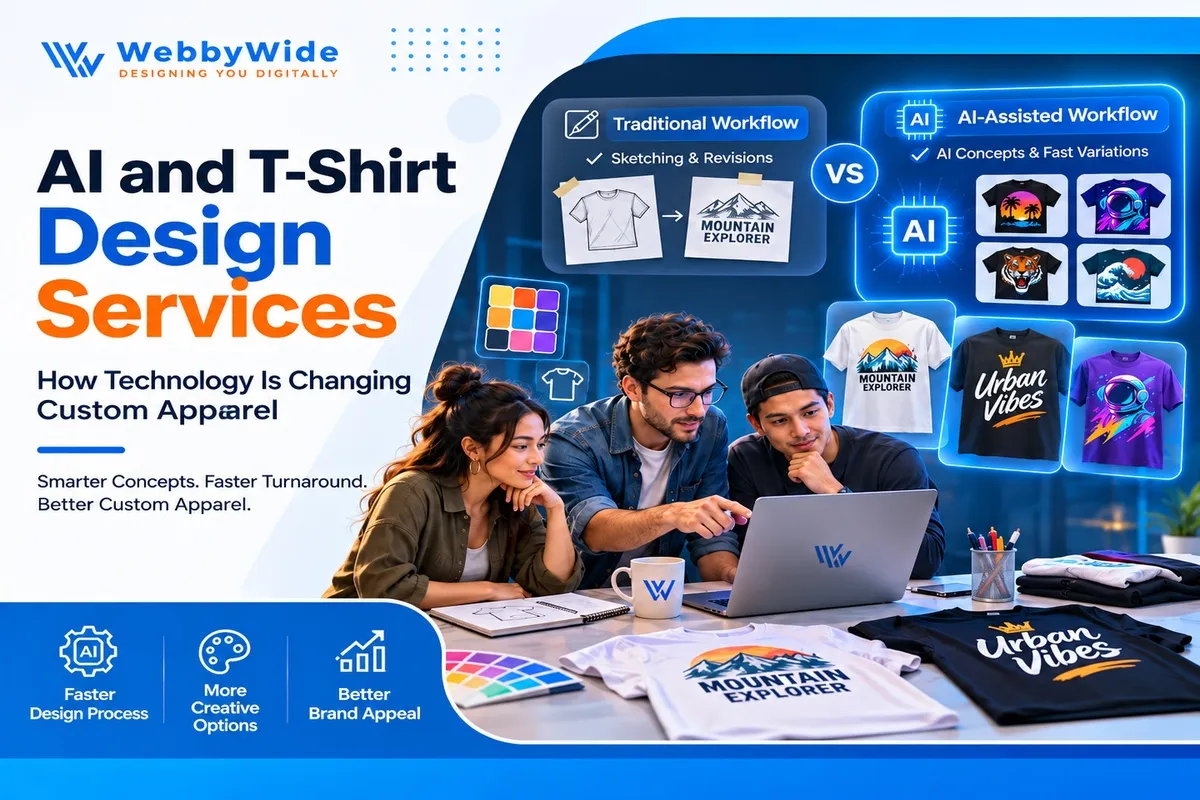
AI and T-Shirt Design Services: How Technology Is Changing Custom Apparel
A great T-shirt can say more than a polished elevator pitch. Think of a Brooklyn streetwear drop, a Nashville band tee, or the shirts everyone keeps after a Chicago charity run. Each tells a story. AI gives T-Shirt Design Services a faster way to explore those stories without making every shirt look like it came from the same template.
That matters if you're building a clothing label, organizing company merch, or creating a limited run for your side hustle. You want something people will actually wear outside the event. I see AI as a useful new sketchbook for T-Shirt Design Services, not a magic button that delivers a finished collection over coffee.
If you're starting with a rough idea, professional T-Shirt Design Services can help you turn that spark into artwork that fits your audience and printing method. AI can speed up early choices, while a designer can sort out the details that separate a cool on-screen concept from a tee that looks great in real life.
What AI Actually Changes in T-Shirt Design Services
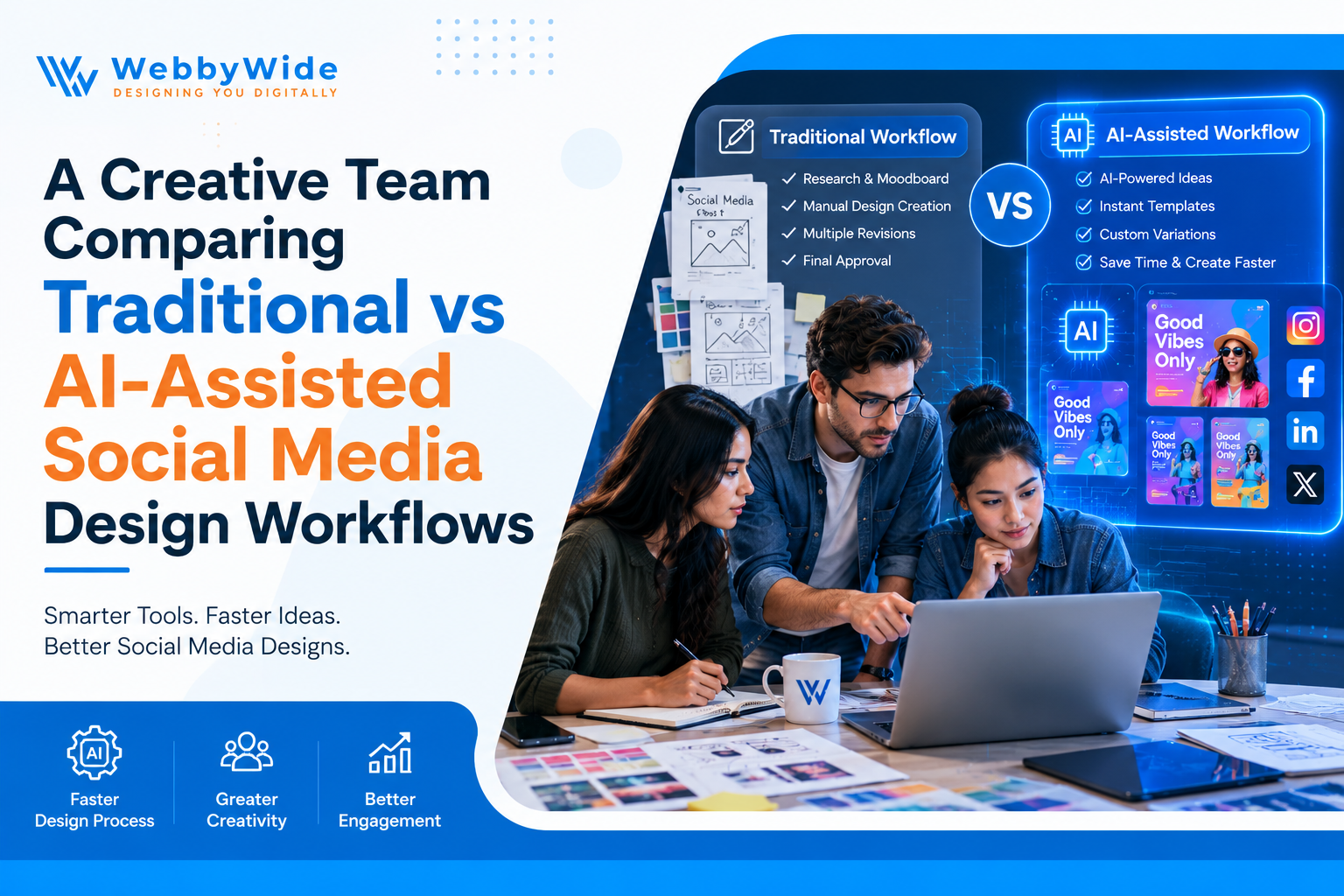
Traditional design often starts with mood boards, rough sketches, and rounds of revisions. AI adds another option: describe the look you want and explore several directions quickly. For T-Shirt Design Services, that means more room to compare a retro concert graphic with a clean typographic design before you commit to either one.
I like the creative freedom here. A designer can try a faded collegiate look, bold comic-book colors, or a minimal line drawing without starting over. Good T-Shirt Design Services use that speed to widen the choices, not to flood you with 40 nearly identical mockups.
Of course, speed isn't taste. AI can invent strange lettering, muddle a hand, or produce details that disappear at print size. That's why T-Shirt Design Services still need human judgment. Someone must decide whether a design tells your story, reads from six feet away, and earns its spot on the shirt.
Originality Comes Before the Print Run
Before I get attached to a clever graphic, I would check who owns the elements and how they came together. The U.S. Copyright Office's guidance on AI-generated material explains that human creative contributions matter when assessing copyright protection. If you use T-Shirt Design Services, ask how the designer develops original artwork and what rights your agreement gives you.
There is another practical rule: never assume an AI image is safe because a generator produced it. A familiar mascot, a celebrity face, or a suspiciously recognizable sneaker logo can create real problems. I would rather revise it now than handle a complaint after 500 shirts arrive.
For U.S. brands, T-Shirt Design Services should include a sensible originality review, especially for merchandise you plan to sell. Ask about licensed fonts, stock illustrations, commercial-use terms, and any AI-generated components. A designer can't promise zero legal risk, but careful checks give you a stronger starting point.
How AI-Powered T-Shirt Design Services Work From Idea to Ink
The strongest workflow doesn't begin with an image generator. It begins with a brief. I treat AI as one stage, with a human choosing what moves forward. Here's how T-Shirt Design Services can combine creative speed with real production needs.
1. Start With an Audience, Not a Prompt
A tee for a San Francisco tech conference needs a different mood from a California surf brand. Define who will wear it and what feeling you want to create. Specify garment color, print placement, preferred style, and words that must appear exactly.
2. Explore Several Concepts With AI
Use AI to test an oversized back graphic, a small chest emblem, or a bold slogan. Each concept should feel different, not like the same image in a new color. For more context, explore how AI is transforming graphic design. T-Shirt Design Services benefit from fast exploration, but people still make the final choice.
3. Let a Designer Fix What AI Misses
Now comes the work that matters most. A designer redraws awkward shapes, fixes lettering, adjusts spacing, and selects fabric-friendly colors. For a branded line, they can build around professional logo design. I trust the process more when designers show those refinements rather than call the first AI image “finished.”
4. Prepare Artwork for the Printer
A pretty JPEG isn't necessarily a production file. Printers may need vectors, transparent backgrounds, separated colors, or high-resolution files at actual print size. T-Shirt Design Services should confirm the requirements with your printer. I'd also check thin lines and tiny text before approving anything.
5. Order a Sample Before Scaling Up
The real test happens off-screen. Print a sample, wear it, wash it as instructed, and inspect the color and placement in daylight. A graphic that fills a laptop screen might overwhelm a small shirt. Reliable T-Shirt Design Services help catch this before a big order.
AI vs. Human Designers: Where Each One Shines
AI makes an excellent brainstorming partner. It doesn't know your customers, your brand history, or the exact limits of your print shop. When I compare T-Shirt Design Services, I look for a workflow that gives both technology and designers the jobs they do best.
|
Design task |
Where AI helps |
Where a human designer leads |
|
Early ideas |
Produces visual directions quickly |
Selects ideas with a clear purpose |
|
Color exploration |
Suggests palettes and variations |
Checks contrast and fabric compatibility |
|
Lettering |
Offers style references |
Fixes spelling, spacing, and readability |
|
Brand consistency |
Generates related concepts |
Protects recognizable brand details |
|
Production files |
Assists with repetitive edits |
Checks print specifications and final quality |
The goal isn't maximum images per minute. It's a shirt you can confidently sell, gift, or wear. I'd pick one thoughtful edit over a hundred flashy drafts.
Your Printing Method Still Calls the Shots
A neon illustration might look fantastic in a mockup but disappoint on fabric. Good T-Shirt Design Services work backward from the printing method; ink, garment, and artwork all affect the result.
Screen Printing for Larger Runs
Screen printing often suits larger runs with fewer ink colors, although setup costs can make tiny orders expensive. If I planned hundreds of event tees, I'd ask T-Shirt Design Services to simplify details and check color separations with the printer.
Direct-to-Garment for Detailed Artwork
Direct-to-garment (DTG) handles intricate, full-color graphics on suitable garments. Results depend on fabric, pretreatment, and equipment. With T-Shirt Design Services, I'd request a sample before approving delicate highlights or gradients that may differ from the preview.
DTF, Embroidery, and Other Finishes
Direct-to-film (DTF) transfers work across many garment types, while embroidery gives a logo texture. T-Shirt Design Services should adapt line weights and detail for each finish. A tiny embroidered slogan? That's less fashion statement, more eye exam.
Custom Apparel Trends Worth Exploring in the U.S.
U.S. apparel trends move quickly, from minimal chest logos to oversized back prints. I wouldn't chase every new look. I'd ask T-Shirt Design Services to explore styles that suit the audience.
- Vintage athletic graphics: Worn-in type and retro colors suit community merch.
- Minimal front, bold back: Pair a small chest emblem with expressive artwork behind.
- Neighborhood storytelling: Use local references without copying sports branding.
- Limited-run variations: Experiment with colorways for a collectible feel.
Explore AI tools for graphic designers to see what platforms can offer. But a tool isn't a point of view. Trends attract attention; stories give people a reason to buy.
What to Ask Before Hiring T-Shirt Design Services
A portfolio shows style; a process predicts how smoothly work will go. Before paying a deposit, I'd ask these questions, especially if AI enters the workflow.
- Will I receive original, editable source files and a final print-ready version?
- How many concepts and revision rounds does the price include?
- Can you explain the commercial-use rights for fonts, images, and AI elements?
- Do you check print specifications with my chosen U.S. printer?
- Can I see examples of shirts that made it from mockup to finished garment?
Some T-Shirt Design Services charge per concept; others include revisions and print files. Ask for a written scope, approval steps, and ownership terms. A bargain price loses its appeal when you pay extra to fix mistakes.
Three AI Design Mistakes I'd Avoid
First, trusting the mockup. Virtual shirts can hide messy edges or unreadable type. Second, copying a familiar look too closely. Inspiration helps; imitation weakens your identity and may create legal risk. Third, skipping printer checks. Even experienced T-Shirt Design Services need feedback on delicate artwork. I'd also give the designer examples of what I like and dislike. A good brief beats an endless prompt every time.
Conclusion
AI makes experimentation easier, and I think that's good news for independent labels, creators, and businesses across the U.S. But standout apparel still depends on a clear idea, thoughtful design choices, and honest production testing. The best T-Shirt Design Services combine rapid concept development with human creativity and print-ready care. Ready to turn an idea into something people actually want to wear? get in touch with our design team and discuss your next custom T-shirt project.
Frequently Asked Questions
AI and T-Shirt Design Services
AI can produce a concept, but it may miss clean type or printer specifications. Ask T-Shirt Design Services to refine the files and confirm requirements with your printer.
No. U.S. copyright protection depends on human authorship and specific creative contributions. Document your process, check third-party elements, and seek legal advice for valuable merchandise or licensing.
Not always for personal projects. For a launch, T-Shirt Design Services can refine typography, check originality, prepare print files, and maintain consistent branding.
Your artwork, fabric, and order size matter most. Screen printing suits many repeat runs; DTG handles detailed colors; DTF offers flexible transfers. Request samples before a large order.
Start with your audience and distinct message. Add brand-specific details instead of generic trends. Use AI to explore, then have a designer shape the strongest idea into original artwork.
Comments
Add Comments
Update Comment