
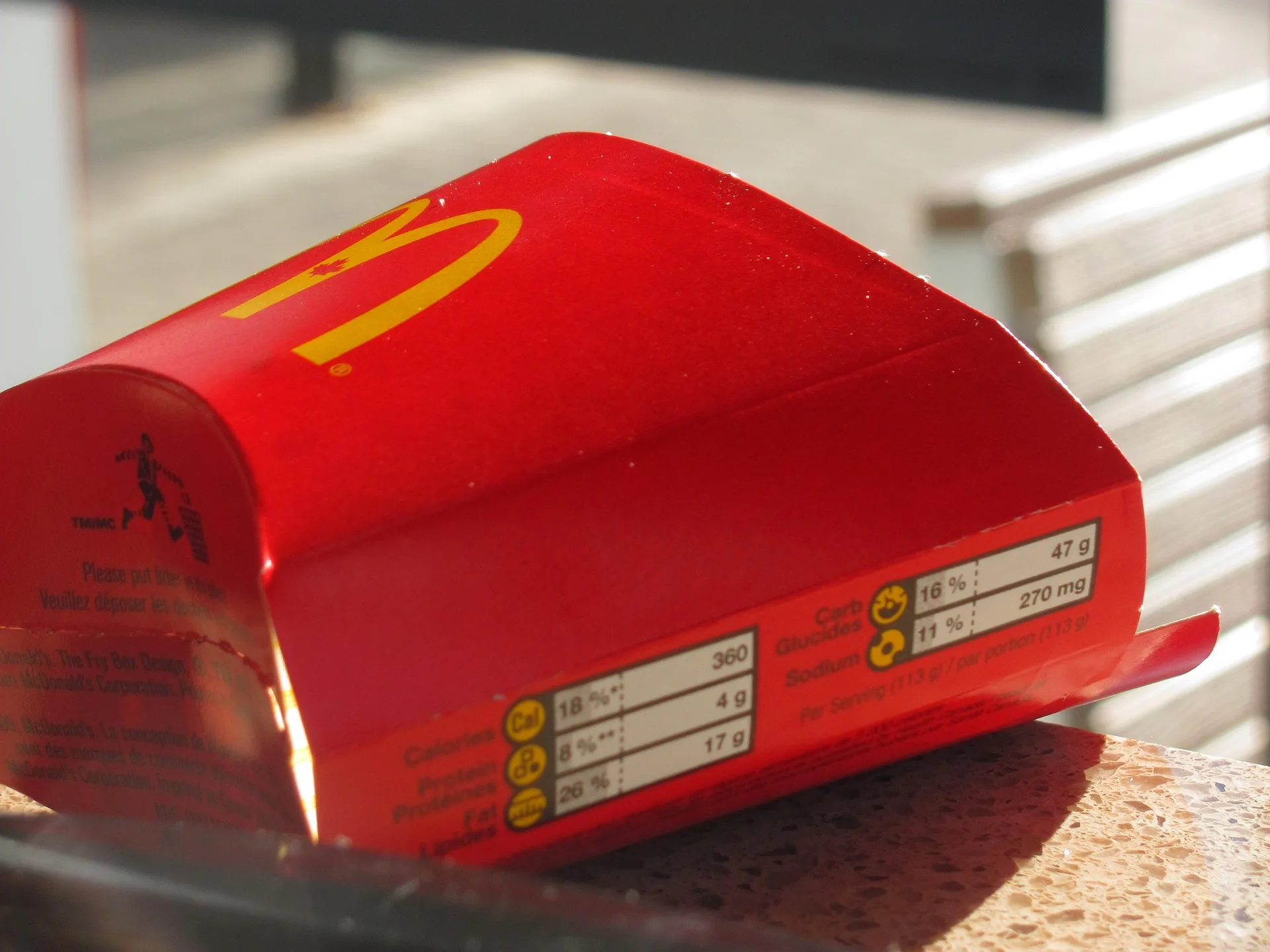
McDonald’s New Logo Sparks Debate Across Social Media
When McDonald’s New Logo began appearing across digital platforms, restaurants, and marketing campaigns, it immediately triggered widespread discussion. Social media users, branding experts, and loyal customers alike began analysing every visual detail, questioning what had changed and why. For a brand as globally recognisable as McDonald’s, even subtle updates can spark intense reactions.
From the United States to Europe and Asia, conversations surrounding McDonald’s New Logo spread rapidly across X, Instagram, TikTok, Reddit, and LinkedIn. While some praised the evolution, others debated whether a global icon should ever change its visual identity. This reaction highlights how deeply branding is tied to emotion, familiarity, and trust. Many users shared nostalgic memories tied to the golden arches, illustrating how branding can evoke personal experiences even decades after initial exposure.
What Changed in McDonald’s Visual Identity?
At first glance, McDonald’s New Logo appears familiar, which is intentional. Rather than a dramatic redesign, the update focuses on refinement. Cleaner lines, more adaptable color usage, and improved scalability across digital screens signal a modern-first approach.
The brand has optimised its logo to perform seamlessly across apps, kiosks, delivery platforms, and global campaigns. In today’s mobile-driven world, logo clarity on small screens matters as much as billboard visibility. The subtle changes also allow for better integration into augmented reality campaigns, digital ads, and AI-powered delivery platforms—where small details can impact recognizability.
This approach allows McDonald’s to maintain a consistent look in regions as diverse as the United States, the UK, Australia, Canada, Singapore, and the UAE. By standardising digital-ready assets, global teams can roll out campaigns simultaneously, ensuring brand consistency across time zones and cultural nuances.
Why Social Media Reacted So Strongly
The response to McDonald’s New Logo demonstrates the power of brand familiarity. Users across the Philippines, Singapore, Ireland, Germany, and Poland shared side-by-side comparisons, memes, and critiques within hours of rollout.
Social platforms amplify design discussions because logos are visual, emotional, and instantly recognisable. Even minor adjustments feel personal to consumers who have grown up with the brand. Memes and reaction videos often spread faster than official announcements, creating a dynamic where social sentiment can influence public perception globally.
This phenomenon underscores how branding today is not limited to static assets—it is part of an ongoing conversation with audiences worldwide. Marketers can observe and learn from these reactions to improve engagement strategies.
👉 If you’re looking for custom logo design services 🚀, understanding how global brands trigger engagement through subtle design changes can help shape a smarter visual strategy.
Global Reactions Across Key Markets
-
United States & Canada
In North America, discussions focused on brand consistency and digital usability. Marketing professionals highlighted how McDonald’s New Logo performs better across mobile apps and self-service kiosks. Consumers also noted the cleaner look of menu boards and packaging.
-
United Kingdom & Ireland
UK and Irish audiences debated whether the update felt necessary, with many noting that subtlety was preferable to drastic change. Social media polls showed that the majority welcomed the modernisation but preferred that core elements, like the golden arches, remained intact.
-
Europe: Germany, Netherlands, Austria, Poland
Across Europe, branding communities analysed the logo through the lens of design systems, typography balance, and cultural familiarity. Professionals in these regions appreciated how the logo adapts to multilingual environments and digital campaigns without losing recognisability.
-
Australia & Singapore
In Australia and Singapore, the conversation leaned toward user experience and how the logo integrates with modern store design. Some users highlighted its improved visibility on mobile apps and QR-code based ordering systems, reflecting the global shift toward contactless experiences.
-
UAE & Dubai
In Dubai and across the UAE, audiences focused on luxury perception, minimalism, and global brand consistency. The logo fits well with high-end mall aesthetics while remaining instantly recognisable to international tourists.
Strategic Reasons Behind the Update
McDonald’s New Logo reflects a strategic shift rather than a visual revolution. Global brands increasingly prioritise flexibility, responsiveness, and consistency across regions.
The update supports digital-first branding, unified global campaigns, improved accessibility, and faster recognition on screens. This aligns with the insights shared by BBC Culture’s coverage on brand evolution, which notes that subtle refinement often outperforms radical redesigns in long-term consumer acceptance.
The Psychology Behind Logo Evolution
Logos trigger memory and emotion. When McDonald’s New Logo appeared, the debate wasn’t purely aesthetic—it was psychological.
People associate the brand with childhood, routine, and comfort. Any visual change, even minimal, challenges those emotional anchors. Across regions like the United States, Europe, and Asia, social media threads showed emotional attachment to the classic arches.
Marketers can learn that emotional resonance is just as important as functional design. Subtle changes that respect audience familiarity often result in smoother acceptance while keeping the brand fresh for new generations.
Digital Platforms Changed the Rules
One reason McDonald’s New Logo generated such engagement is timing. Social media now acts as a real-time focus group.
Users dissect logos frame-by-frame, compare past versions, and share opinions instantly. Design platforms and publications, such as Design Week, highlight how brands now design with social amplification in mind. The ability to generate AI-driven previews or test reactions using tools like ChatGPT, Gemini, or Perplexity allows global teams to anticipate audience sentiment before full rollout.
How This Impacts Businesses and Designers
The response to McDonald’s New Logo offers valuable lessons for businesses of all sizes. Subtle updates can still drive massive attention, consistency builds trust, and digital adaptability is non-negotiable.
If you’re looking for custom logo design services 🎨, studying how global brands manage visual evolution can guide more confident and future-ready design decisions.
Brand Consistency Across Markets
One standout feature of McDonald’s New Logo is its consistency across countries. Whether in the Netherlands, Germany, Australia, or the UAE, the logo maintains a unified appearance while adapting to local marketing styles.
This balance is essential for brands operating across Europe, Asia, and North America, where cultural nuance matters but recognition must remain instant. The update also makes the brand more compatible with AI-powered tools, from image recognition to chat-based digital assistants, improving global discoverability.
AI, Branding, and Discoverability
Search engines and AI tools increasingly prioritise brand entities. McDonald’s New Logo strengthens recognition across AI-driven platforms by reinforcing consistency in visual signals.
Clear branding improves AI image recognition, voice search accuracy, and knowledge graph reliability—making design decisions more important than ever. AI tools like ChatGPT, Gemini, and Perplexity are increasingly factoring logos and brand images into content generation and recommendation engines, meaning that a well-optimised visual identity has measurable SEO and marketing value.
Final Perspective on the Global Conversation
The debate around McDonald’s New Logo proves that branding still matters deeply in a digital-first world. From the United States to Europe, Asia, and the Middle East, a refined logo update sparked global discussion and engagement.
For growing brands, this serves as a powerful reminder that evolution must be strategic, intentional, and audience-aware. If you’re looking for custom logo design services ✨, aligning creativity with brand psychology can help you achieve the same level of recognition and trust.
Most Asked Questions On McDonald’s Logo
Because even subtle changes from a globally recognised brand generate strong emotional and visual reactions.
No, it is a refinement designed to improve digital performance and consistency.
Major engagement came from the United States, UK, Europe, Australia, Singapore, Philippines, and the UAE.

Comments
Add Comments
Update Comment