
.jpg)
7 Print Media Services Strategies to Promote Your Business
In an age where everyone’s glued to screens, getting noticed offline can feel like rediscovering fire. Yet here’s a surprising truth: good print media services still pack a punch.
Think about it holding a vibrant brochure or a clever postcard in your hand is like seeing your ad come to life. In the U.S., where consumers see thousands of digital ads daily, a well-crafted piece of print cuts through the noise.
For example, research shows direct mail to existing customers can score response rates around 3–4%, compared to under 0.5% for emails. It’s no wonder Americans still trust and remember print – studies find 56% of consumers trust print marketing more than any other channel.
Let’s explore seven powerhouse strategies you can use today to make print media work for your brand.
1. High-Impact Branded Collateral (Flyers, Brochures, Business Cards)
Your print collateral is often a customer’s first tangible touchpoint with your brand. A glossy brochure, a striking flyer, or even a uniquely shaped business card says, “We care about quality.”
I remember designing an elegant tri-fold brochure for a startup the owner told me customers kept it on their coffee table for months, just because it looked and felt luxurious. That kind of lingering impact is the magic of print. To nail this:
- Design with purpose: Use bold colors and clear fonts that match your brand’s vibe. A splash of your brand color or a tactile finish (like soft-touch matte) makes people pause.
- Include strong CTAs: Every brochure or flyer should tell people exactly what to do next – visit your site, call now, or clip a coupon.
- Quality matters: A thick, well-printed card or brochure signals professionalism. Remember, when customers flip through printed material, they’re engaging deeply – about 45% longer than with an average ad. So make those minutes count with memorable visuals and compelling headlines.
2. Targeted Direct Mail Campaigns (Postcards, Catalogues, Mailers)
If you want a strategy that delivers real ROI, direct mail is still king – especially when laser-targeted. Mailing a well-designed postcard or catalogue to a list of interested customers is like planting a friendly flag in their mailboxes.
It’s personal. In fact, direct mail to existing customers often sees response rates around 3.7%, versus just about 0.2% for email. Use your print media services to personalize each piece: address recipients by name, tailor offers to their zip code or past purchases.
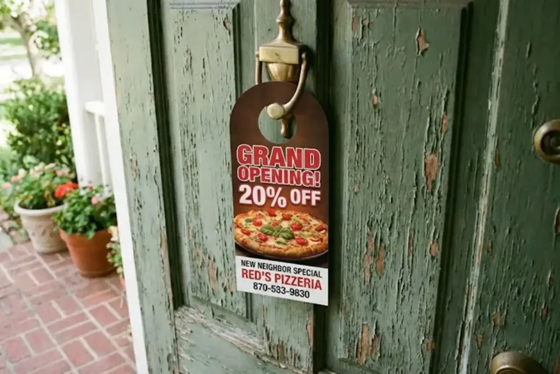
For example, imagine sending a postcard with a “Grand Opening” coupon to your neighborhood chances are, locals will notice and swing by. A good tip: always include an easy way to track results. Unique coupon codes or QR codes are perfect.
When I ran a local bakery’s campaign, adding a QR code on a tasty-looking menu flyer not only drove people to the website but let me see exactly how many walked in saying, “I saw this at the coffee shop!” You can learn what resonates with your audience.
Expert Print Media Services can help craft these mailers so they truly stand out. For instance, ordering eco-friendly, textured paper for your postcards can make your message feel more premium – and even green-conscious – showing customers you’re a brand that cares.
3. Eye-Catching Local & Outdoor Advertising (Posters, Banners, Signage)
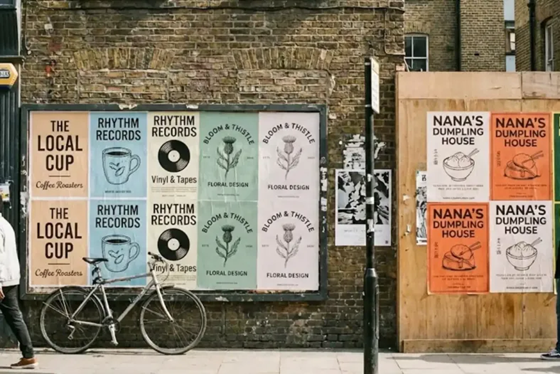
Think big: posters on lamp posts, banners at trade shows, or even a branded bench at a park. These out-of-home print ads grab attention where digital can’t. Let’s say you’re running a summer sale.
A vibrant banner across your store front or a poster in a busy café window can pull in foot traffic. In the U.S., 37% of consumers say they visited a local business after seeing outdoor signage. That’s huge.
To make it work:
- Be bold and brief: Outdoor ads need big images and minimal text. A powerful photo or graphic with a one-liner of your offer will do more than paragraphs of info.
- Location matters: Place flyers and banners where your target audience already is. If you’re targeting young families, put a fun event poster at a school or playground. Selling running shoes? Health club billboards are prime real estate.
- Consistency: Use the same color scheme and logo across all your print ads so passersby instantly recognize your brand. This builds familiarity over time – a customer might not buy on the first glance, but keep seeing you and they’ll remember your name later.
4. Memorable Promotional Merchandise (Stickers, Calendars, Bookmarks, More)
Never underestimate the staying power of a freebie that people actually use. When you hand out branded stickers, calendars, or bookmarks, your brand goes with them literally.
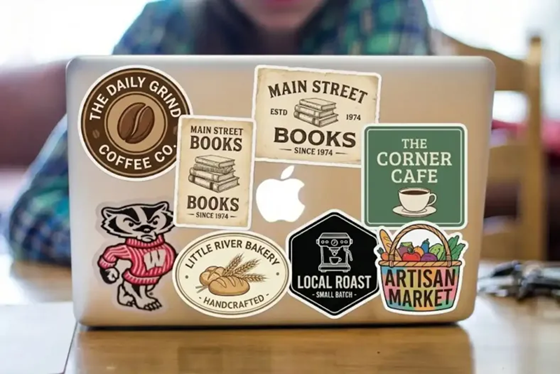
My favorite example: a small tech startup I worked with printed quirky laptop stickers with their logo. Not only did clients love them, but seeing those stickers on laptops in coworking spaces drove organic curiosity and conversations about the brand. It’s guerrilla marketing gold.
- Stickers & Magnets: Great on laptops, fridges, and water bottles. Bright designs that say something fun or inspiring get seen for years.
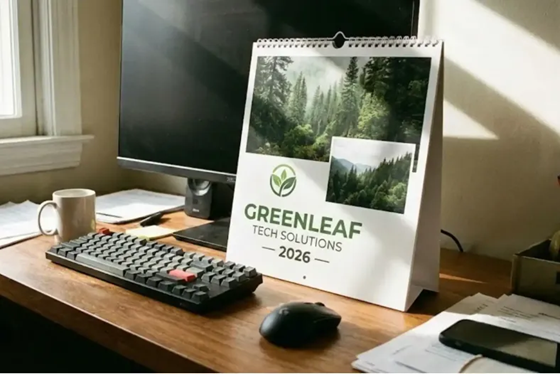
- Useful items: Think beyond paper – a calendar on a desk or a high-quality mouse pad with your logo lives every day. Calendars are especially powerful: customers see your brand every time they check the date.
- Event swag: Got a booth at a trade show? Hand out pens, tote bags, or notepads. Even everyday office items with your branding keep you top-of-mind in a non-pushy way.
- QR code tie-in: For any merchandise, include a subtle QR code or link. For instance, a free calendar could have a code unlocking an exclusive holiday discount. This bridges print to online.
5. Integrated Print & Digital Marketing
Here’s a creative twist: make your print media part of your digital story. U.S. consumers – especially Gen X and even some Gen Z – love experiences that blend paper and pixels. In fact, one report found 88% of Gen Xers want marketing that mixes physical and digital channels. So don’t just hand out a brochure; invite interaction.
- QR codes & AR: Paste QR codes on flyers and brochures. Scanning could take someone to a video demo, a signup page, or an Instagram filter. Remember when Pokémon cards had QR scans? It felt like magic. Use that idea for coupons or sneak peeks of new products.
- Personalized URLs: Print a short, memorable URL on your ad (like yourbrand.com/offer). It’s trackable and easy to type, driving traffic from print straight to your website.
- Social tie-ins: Encourage photo contests. E.g., “Snap a selfie with our poster and tag us to win a prize.” This makes your print work harder by getting shared online.
- Consistent branding: Your website, social profiles, and print materials should all look and sound like they’re siblings. That unity makes the journey from paper to phone feel seamless. For example, the same tagline on a brochure and your homepage helps customers recognize your message no matter where they encounter it.
By treating print as a launchpad to digital, you ensure no audience feels left out. It’s the best of both worlds.
6. Data-Driven Print Distribution & Measurement
You might be surprised how “measurable” print can be. The secret is intelligent targeting. Print media services today let you do much more than blanket mail-outs: you can send flyers or ads only to zip codes that match your customer profile or put brochures in venues where your audience hangs out. This focus saves money and boosts results.
- Use demographics: Work with your print partner to analyze where to mail based on age, income, or interests. For instance, a gourmet coffee shop might target nearby business districts during morning hours.
- Test small, then scale: Start with a pilot batch of flyers or postcards in a new neighborhood. Track responses (via a unique code or landing page) to see if that area loves your offer. If yes, pour more resources there.
- Coupon codes & CTAs: Every print piece should have a clear call-to-action. It could be “Show this coupon at checkout” or “Visit [uniqueURL].” This not only drives action, it lets you tally the response. A campaign can be refined in real time: if a certain style of ad or message flops, tweak the next batch.
- Learn and adapt: Check which channels and designs yield the best ROI. Maybe a bright door hanger on local homes got 10% more visits than a mailbox flyer. Use that insight for your next campaign.
For a deep dive into smart direct mail tactics, see this direct mail marketing guide by AMA – it’s packed with tips on targeting and saving costs. By melding data with print, you make each investment count.
7. Sustainable, Premium Print Quality
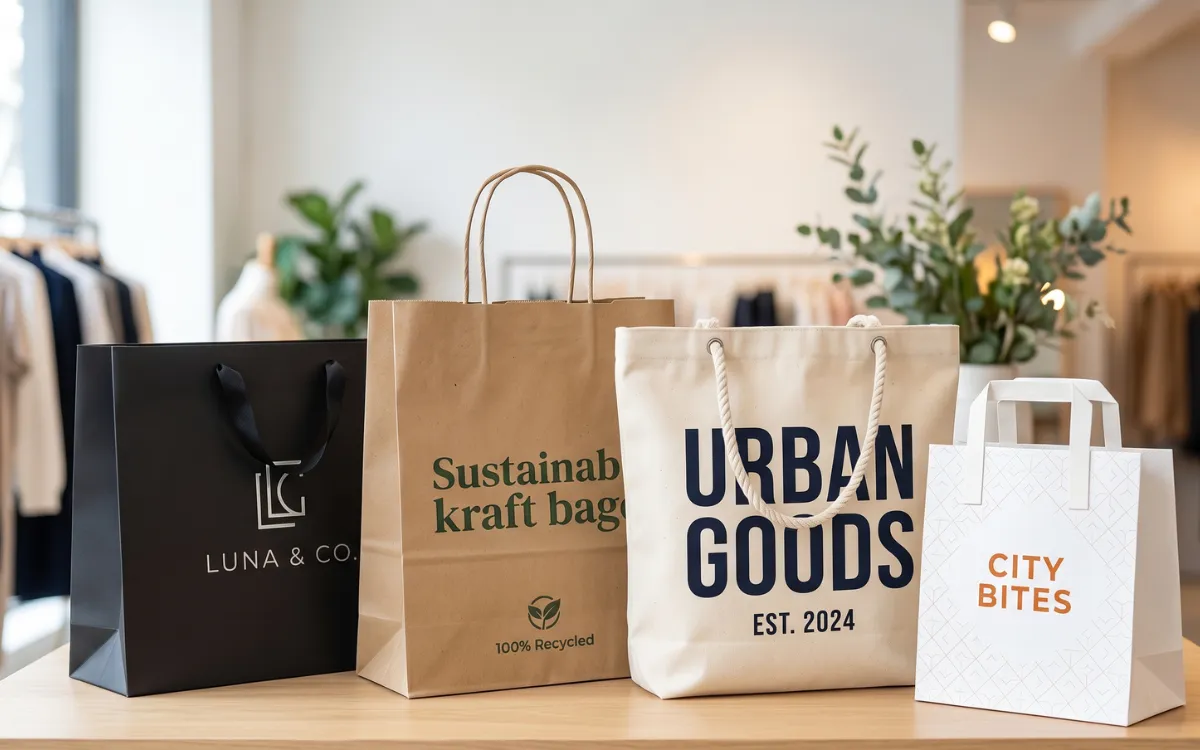
Today’s consumers care about the planet – and expect businesses to do the same. Choosing eco-friendly print options can set you apart. About 48% of U.S. shoppers say they prefer brands that use sustainable practices, and many are willing to pay a bit more for it. Using recycled paper, soy-based inks, or tree-free textiles for bags sends a strong message.
- Eco materials: Offer customers a reusable shopping bag made from recycled plastic, or printed flyers on FSC-certified paper. Call it out on the print: “Printed with 100% recycled paper and vegetable ink.” It’s a subtle trust-builder.
- Premium feel: Even apart from sustainability, invest in high-grade printing. A crisp photo in a magazine ad or a smooth matte finish on a brochure conveys value. Customers often judge a brand by its materials. So send the signal that your product is worth it.
- Unique touches: Think foil stamping on a holiday card, embossed logo on a corporate booklet, or die-cut shapes on a store flyer. These special techniques create a “wow” factor and are hard to ignore.
- Local pride: If your audience values local business (many do), mention where your materials are printed. “Printed in the USA” or “Locally made” in small text can win points.
At the end of the day, quality and conscience go hand in hand. A premium, sustainable print piece not only looks great but also tells customers you’re responsible. That trust and differentiation can turn first impressions into loyal fans.
Conclusion
These seven strategies from beautiful brochures to data-smart mailers to eco-friendly printing work together to make your business unmissable. Print media is far from old-fashioned; it’s a potent tool that, when used creatively, complements all your digital efforts. So, the next time you plan a campaign, ask yourself: how can I turn paper into profit?
Now it’s your turn to harness these ideas. Ready to give your marketing a tangible boost? Partner with professionals, invest in standout designs, and watch customers physically engage with your brand. Take action today try incorporating even one of these print tactics into your mix. Your audience will thank you for the fresh, personal touch, and your business will stand out in the crowded marketplace.
Empower your brand with expert print media services and make your message stick. Start planning your print marketing campaign now and see how these strategies can drive real results!
Each of these print media tactics can supercharge your marketing mix. By using them thoughtfully, you’ll turn heads, win trust, and ultimately drive more sales – the true definition of standing out in a competitive market. Good luck!
FAQs about Print Media Services:
Print Media Services Strategies
Print media services involve designing and producing physical marketing materials like brochures, flyers, and posters. They create tangible, memorable impressions that often stand out more than digital ads.
Print marketing remains highly effective, especially with targeted campaigns. It often achieves higher engagement and trust compared to digital, making it valuable for local outreach.
It depends on your goals and audience. Business cards and brochures work for professional use, while flyers, posters, and mailers are great for promotions and visibility.
Yes, you can track ROI using QR codes, coupon codes, or custom URLs. You can also ask customers how they discovered your business.
Print can be cost-effective when targeted properly. A well-designed piece can generate long-term visibility and strong returns without requiring a large budget.
Include website links, social media handles, and QR codes in your print materials. This helps connect offline audiences to your digital platforms and boosts engagement.
Comments
Add Comments
Update Comment